Become a Brain Health Advocate
Join us in building a network of advocates to promote brain health for all!
Join us in building a network of advocates to promote brain health for all!
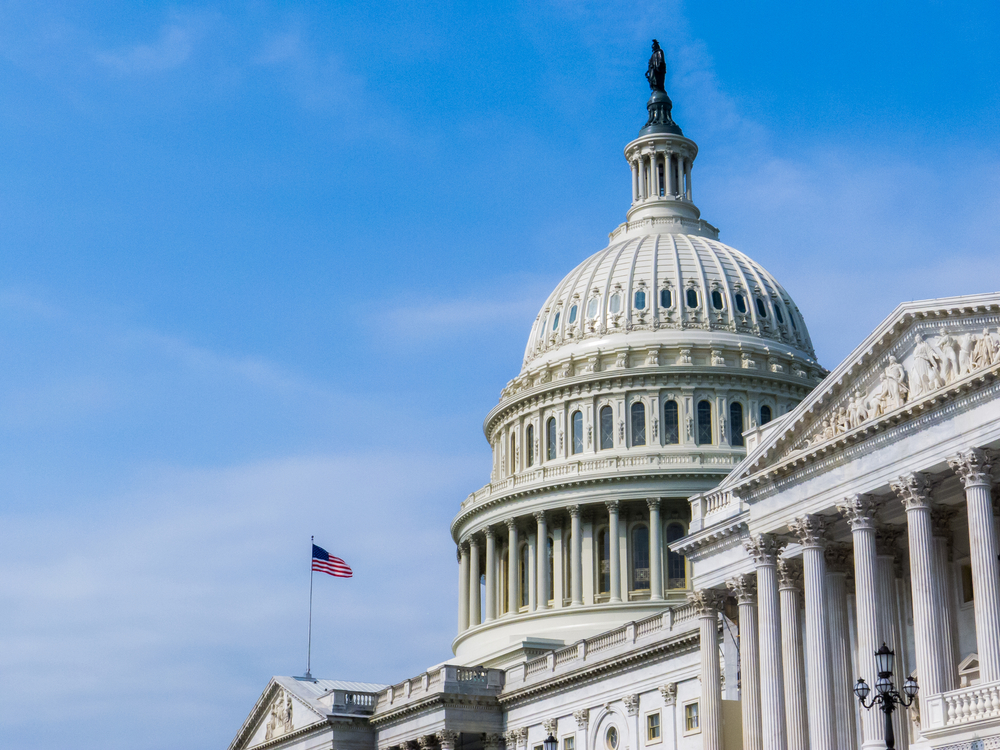
The American Academy of Neurology (AAN) is the world’s largest association of neurologists and neuroscience professionals. The AAN is dedicated to promoting high-quality patient care for brain, spinal cord, and nervous system diseases. These neurological diseases and disorders affect more than one in two people in the United States and include Alzheimer’s disease, stroke, concussion, epilepsy, Parkinson’s disease, multiple sclerosis, and migraine. One way the AAN works to improve patient care is by educating policymakers and other major stakeholders on the value of neurology and the importance of neurological treatments, research, and access to care.
Your voice can make a big difference in the mission to promote brain health for all. Policymakers want to hear from you about the importance of brain health. Continue reading to discover what you can do and how brain health advocates make a difference.
Members of Congress are waiting to hear from you. Ask them to support neurological research funding and improvements to patient care.
One in two people in the United States is affected by a neurological disease or disorder, and the most common are tension-type headache and migraine. The HEADACHE Act (H.R.5536) would help us better understand headache disorders and how to provide the best care to the many people living with these conditions. This legislation would create a National Headache Disorders Initiative to increase research, improve clinical care, and raise public awareness. Send a message to your Members of Congress to support HEADACHE (H.R.5536) today!
The Healthy Brains Act invests in research to study the connection between environmental exposures and neurodegenerative diseases, like Parkinson's disease, ALS, and Alzheimer's disease. This research could help us understand how to prevent brain disease or slow its progression. Ask your member of Congress to support the HEALTHY BRAINS Act (H.R. 7779).
Telehealth is a lifeline for many people who need medical care. This tool is critical for people who live far from their specialists or face challenges getting to in-person appointments. Telehealth access can be disrupted if Congress does not repeatedly allow telehealth flexibilities, so we are asking Congress to pass the CONNECT for Health Act (H.R. 4206/S. 1261) to permanently allow people to see their doctors using video or audio services
Funding from the National Institutes of Health (NIH) is essential to finding treatment breakthroughs for brain diseases, such as deep brain stimulation or clot-busting medications for stroke. That’s why it’s so important that Congress continues to support funding for brain research. The Brain Research through Advancing Innovative Neurotechnologies (BRAIN) Initiative at NIH helps us understand the brain better and identify treatments for brain diseases. The initiative is facing a funding gap in 2026, and unless Congress provides additional funding, we won’t discover breakthrough treatments for many brain diseases. Ask your representatives to support funding for the BRAIN Initiative.
Research is essential to discover effective treatments and medical breakthroughs for neurological diseases and disorders like multiple sclerosis, Alzheimer’s disease, and Parkinson’s disease.

American Academy of Neurology Members advocate in Washington, DC at 2025 Neurology on the Hill.
Thanks to our brain health advocates, controlled-substance medications, like those for ADHD, narcolepsy, or epilepsy, can continue to be prescribed through telehealth visits rather than requiring in-person medical visits for medication refills.
Medicare is now permitted to negotiate with drug companies to lower the price of medications for patients. These negotiations are ongoing, and lower prices for select drugs will go into effect in 2027.
Two important bills, the Improving Seniors' Timely Access to Care Act (H.R. 3514/S. 1816) and the Safe Step Act (H.R. 5509/S. 2903), were reintroduced in Congress. If enacted, these will improve patient access to effective doctor-prescribed medications.
Reauthorized in December 2024 (P.L. 118-142), the Building Our Largest Dementia (BOLD) Infrastructure for Alzheimer’s Act strengthens the nation’s public health response to Alzheimer’s disease. It allows the CDC to fund state, local, and tribal health departments and Public Health Centers of Excellence and to advance the Healthy Brain Initiative Road Map. BOLD also supports improved data collection on cognitive decline and caregiving to inform future public health efforts.
The American Academy of Neurology's advocacy efforts focus on the importance of governmental support of neuroscience research. Brain health advocates helped protect National Institutes of Health (NIH) funding for the National Institute of Neurological Disorders and Stroke (NINDS)—a leading institution in identifying breakthroughs in treatment.
In December 2025, the AAN updated its position statement, Securing Necessary Neurological Care for Military Personnel and Veterans with Brain and Nervous System Injury, stressing the importance of Veterans Affairs Neurology Centers of Excellence and other systems of care that provide neurological support throughout the lifespan. The statement also called for research to explore the link between neurological conditions and possible exposures during military service, such as traumatic brain injury, chemical and biological weapons, and future developments in warfare.

